
Skipped Stitch Trouble Shooting Flowchart
Troubleshooting Flow Chart
Skipped stitches are one of the most common problems sewists run into. This is the exact sequence I follow at the shop, distilled into seven steps you can work through at home.
Each step is numbered, and most link to a deeper article explaining why that step exists. Start at Step 1 and sew a test seam. If the skipping stops, mission accomplished. If not, move on to the next step until the problem is solved. My goal is to help you troubleshoot effectively at home and maybe save yourself a trip to the repair shop.
— Cale

The Skipped Stitches Flow Chart
Start at step 1 · test-sew after every step
- 1
Insert a fresh needle
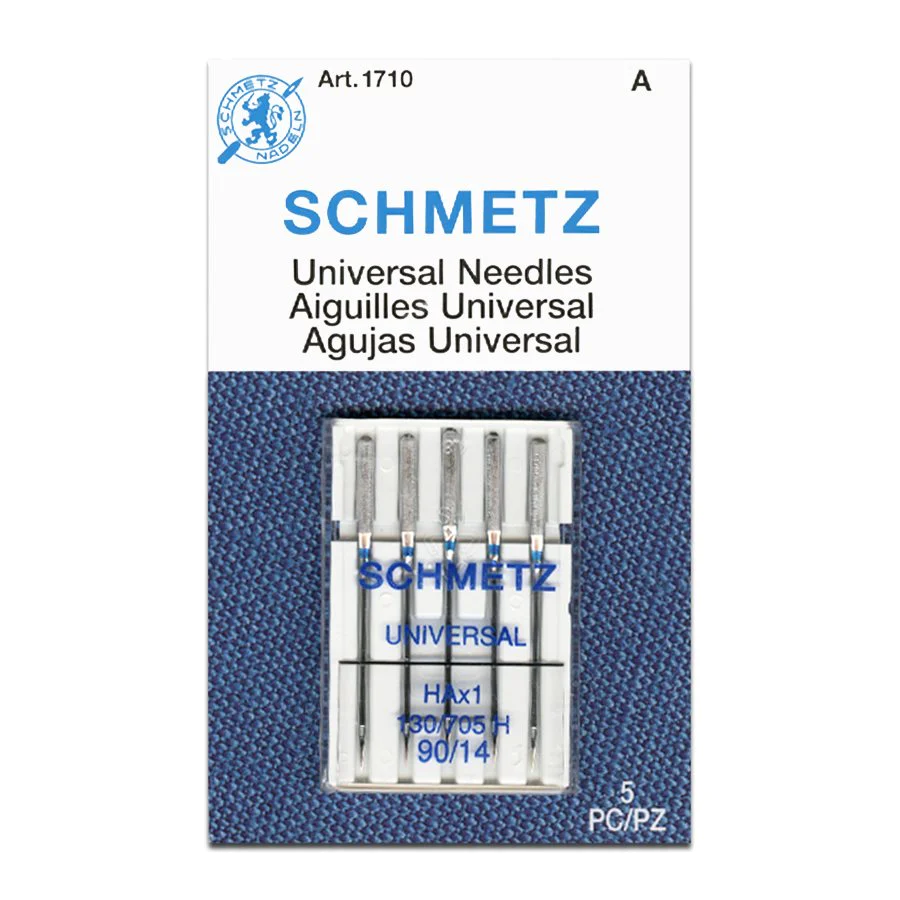
A bent needle, even one that is ever so slightly bent, can throw off the machine’s needle-hook clearance and cause skipped stitches. Whenever I see skipped stitches, the first thing I do is insert a new needle and see if that solves the problem. Make sure it goes in flat side to the back and slid all the way up.
Why a bent needle skipsChange Your Sewing Needle: Bent Needles, Dull Needles & Skipped Stitches How to insert it correctlyHow to Replace a Sewing Machine NeedleOur shop-default needles
Fixed? You’re done. Still skipping? Continue to step 2 ↓
- 2
Use the correct needle type for the fabric
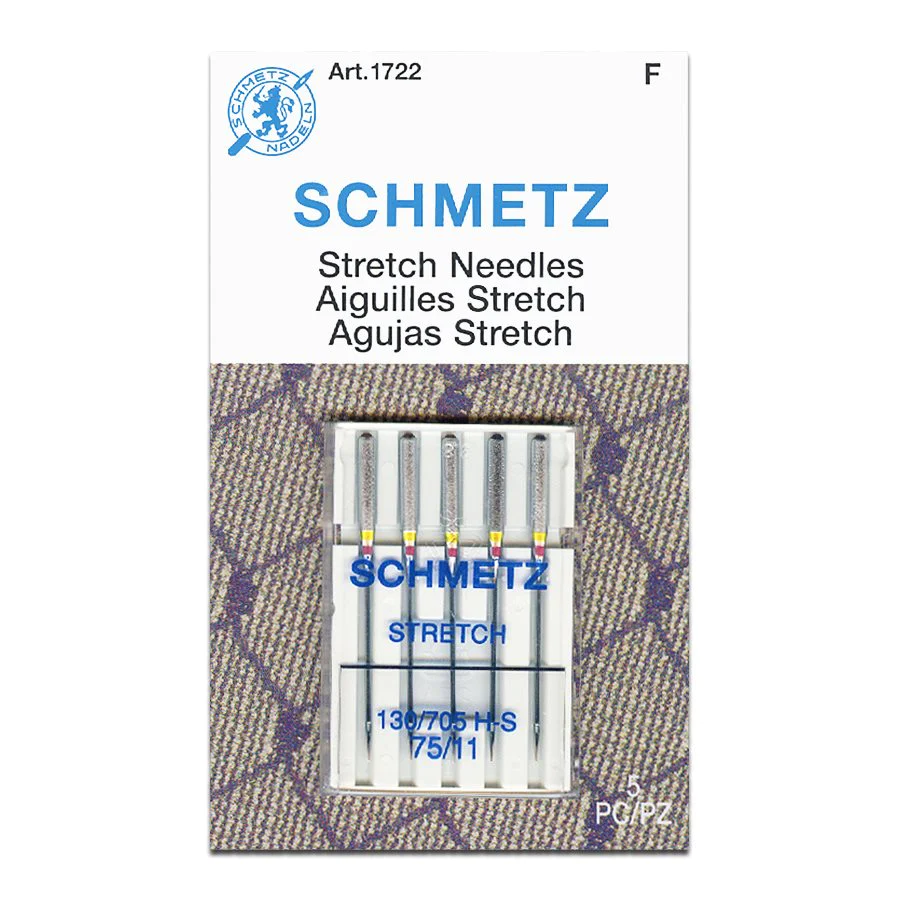
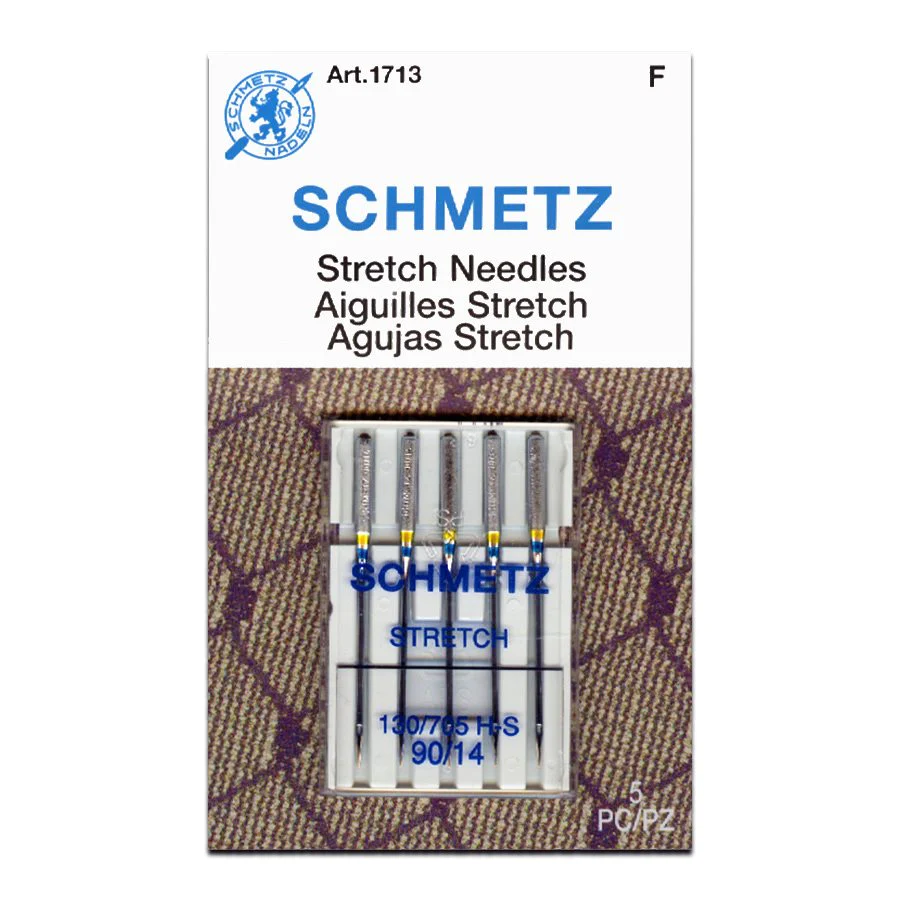
Stretch fabric requires a stretch needle, or we risk skipped stitches. Meanwhile, thicker fabric requires a larger needle. A small needle can have trouble penetrating thick fabric, leading to needle deflection and skipped stitches.
Which needle for which fabricSewing Machine Needles ExplainedFor knits & stretch fabric
Fixed? You’re done. Still skipping? Continue to step 3 ↓
- 3
Make sure you’re using quality thread
Whenever someone brings in a machine that’s skipping stitches, I test it with thread I trust, such as Aurifil, Mettler, or Isacord. Poor quality thread can possess characteristics (undue stiffness or stickiness) that hinder the machine’s ability to form a thread loop. If the loop is distorted, skipped stitches will likely result.
Why cheap thread skipsPoor Quality Thread vs. High Quality ThreadThread we trust
Fixed? You’re done. Still skipping? Continue to step 4 ↓
- 4
Do the pull test
A snag on the upper thread can cause skipped stitches. Perform the pull test: with the presser foot raised (a zero-tension condition), pull on the upper thread and feel whether it snags anywhere along the way.
- A common snag point is the spool cap. A spool cap that is too big or too small can snag the thread. Make sure it’s slightly larger than the plastic end of the thread spool.
- Another cause of snags is burrs on the machine cover.
- Yet another is compacted lint along the upper thread path. If you feel a snag but don’t see any burrs and you’re using the right spool cap, raise the presser foot and use compressed air to blow any obstructions out of the upper thread path.
Fixed? You’re done. Still skipping? Continue to step 5 ↓
- 5
Check for other obstructions along the thread path
Whether it’s the upper thread (needle thread) or the bobbin thread, the thread must flow freely from its source as your machine sews. There are many points along the thread path where an obstruction can stop it from flowing freely, and sometimes those obstructions cause skipped stitches.
- Needle strikes on the bobbin case.
- Needle strikes on the needle plate hole.
- A loosely wound bobbin.
- Adhesive on the needle, hook, or bobbin case.
Fixed? You’re done. Still skipping? Continue to step 6 ↓
- 6
Check needle-hook timing
Remove the bobbin case and needle plate so you get a clear view of the hook point as it passes behind the needle. Turn the hand wheel until the needle is in its lowest position, then keep turning slowly until the hook passes behind the needle.
The hook should pass just above the needle eye when the needle has risen a couple of millimeters above its lowest position. If it passes below the eye, or way above it, your machine is probably out of time and needs to go to a trained technician.
What “out of time” really meansSewing Machine Timing: Needle-Hook & Feed TimingFixed? You’re done. Still skipping? Continue to step 7 ↓
- 7
Check needle-hook clearance
As the hook passes behind the needle, it must stay within a specific distance of the back of the needle to catch the thread loop. Too close and it touches the needle; too far and it passes behind the loop instead of through it.
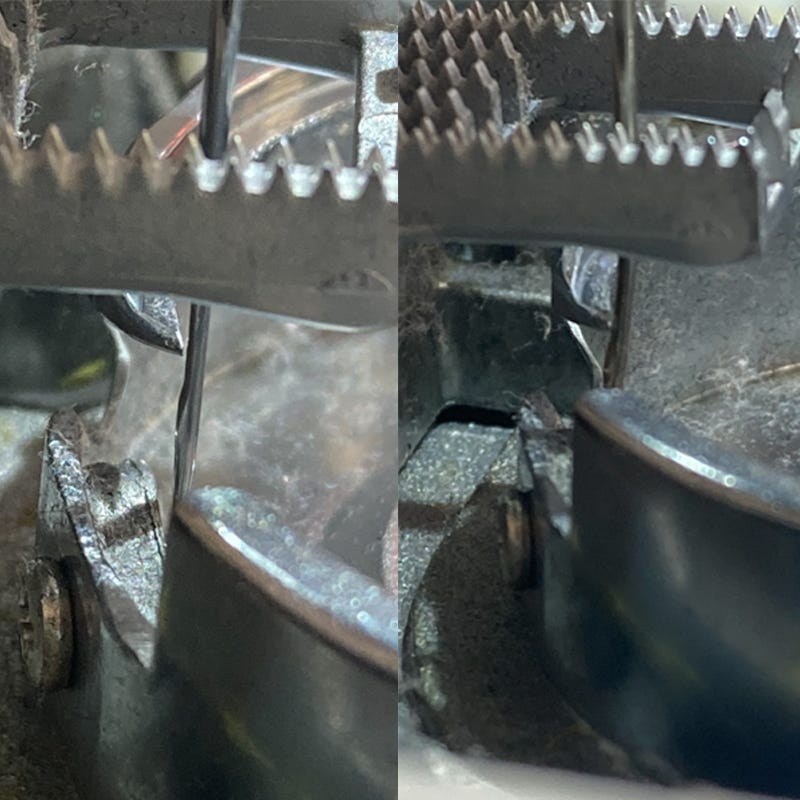
Left: proper clearance. See the little bit of daylight between needle and hook? That daylight is necessary. Right: no daylight. The needle and hook are touching, which can cause skipped stitches and other issues. Needle-hook clearance is a critical setting. If it’s truly out of whack, a trained sewing machine technician should be able to fix it for you.
What a technician checksThe Sewing Machine Technician’s Checklist

Still skipping after step 7?
Bring it to our repair bench
Timing and clearance are adjustments for a trained technician. Our service department in Walnut Creek has been fixing machines for nearly 40 years, and we’ll get your machine stitching right again.
Book a repairCall (925) 937-7575Thank you for reading!
Sewing machines are intricate tools, and there are other causes of skipped stitches beyond what’s covered here. But these are the most common issues sewists face, and I believe this guide will be a valuable resource for anyone troubleshooting skipped stitches. Feel free to pass it along to your fellow sewing enthusiasts.
— Cale
More troubleshooting
